
Summary
Ellie shares her lived experience through the Spectrum Project, helping create educational videos to support person-centred disability support.
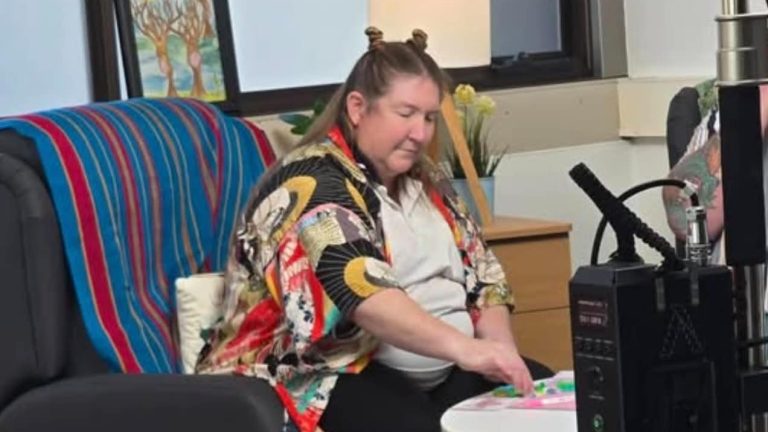
As part of the ongoing Spectrum Project, Ellie travelled to Canberra from 1–3 July to take part in the development and creation of educational videos designed to support workers in providing more person-centred support to people with intellectual disability.
The three-year project, led by the University of Canberra’s education team, is focused on creating practical resources to support workers to better understand and respond to the experiences, needs and preferences of people they support. The videos explore important areas of support, including medication support and communication during handovers within supported accommodation.
Representing the voice of a person with lived experience of intellectual disability, Ellie played an important role throughout the project. Alongside Zoe from the VALID Connect team, who attended multiple script writing sessions, Ellie contributed her ideas, experiences and perspectives to help shape the scripts and ensure the scenarios reflected the real experiences of people receiving support.
Ellie then travelled to Canberra with her support worker to bring these scripts to life through acting in the educational videos. Working alongside other actors and the project team, Ellie enjoyed being part of the creative process, making new friends and seeing the work they had developed through the Spectrum Project come to life.
Reflecting on her experience, Ellie said:
“I loved the experience of acting and being part of something we have been working towards in The Spectrum group. It was so much fun, and I felt like a movie star! I enjoyed meeting the other actors, making new friends, and being part of creating resources that will help support workers better understand and support people with intellectual disability.”